The Cinderella Summer

Leslie and Stuart

One of the greatest gifts of being a grandmother is the chance to share my own childhood memories and experiences with my grandkids, Molly and Declan. Usually, they feign interest, Sometimes they are honest. A few years ago, we watched, or tried to watch, the original Hayley Mills version of The Parent Trap together, Molly asked about twenty minutes in, “Is this almost over?” I squelched my urge to scream, “Are you kidding? This is iconic!” Instead, I calmly reached over to the remote and switched off the tv and VCR. “Wanna make some popcorn?” I asked. They were in the kitchen before I was off the couch. We ate our greasy, buttery popcorn sans Hayley. I learned my lesson.

The moment stuck with me as an unadulterated grandparenting failure. As the kids got older, I learned to be judicious in my choice of how to engage them. Ten-year-old Declan and I play the piano so we graze through my sheet music for a Disney duet to practice together. We also share a bizarre attraction to Snapchat and create videos using voice-changing filters while singing Aerosmith’s Dream On or Phil Collins’ Against All Odds. Molly, now twelve, likes to cook and bake. We scroll through our phones together and find recipes to try. Then we watch YouTube clips of The Office outtakes. They seek a different kind of engagement and I must evolve with their interests and access to technology. 

I have found other ways to breach Molly’s sphere of interest. In addition to her culinary pursuits, she also enjoys acting and going to the theater.  An appropriate birthday or Christmas gift for her can always be found in the listings for Broadway in Boston and other local venues for smaller-scale productions. For her twelfth birthday, I suggested tickets to Rodgers and Hammerstein’s Cinderella at the Northshore Music Theater. She was thrilled.

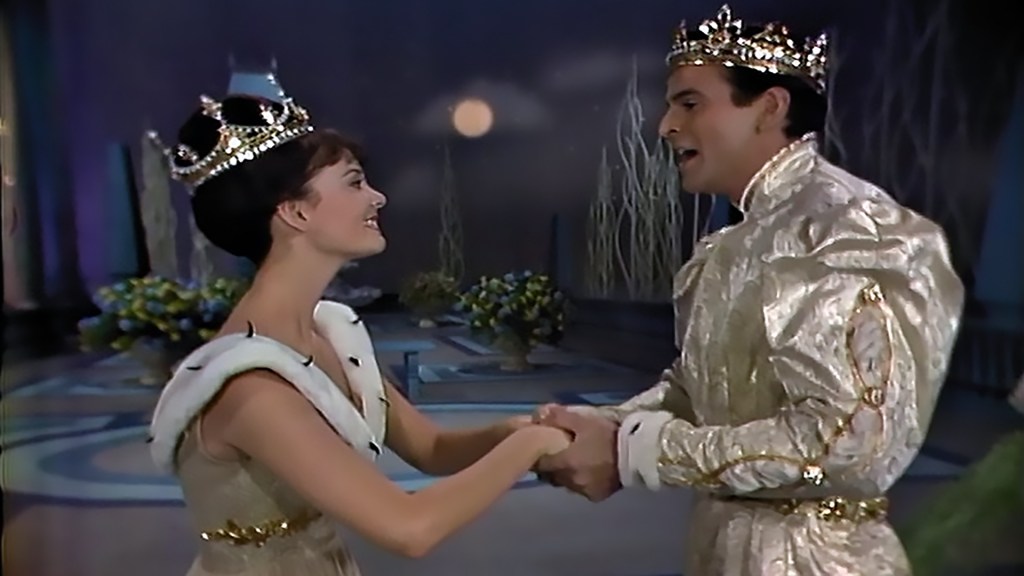
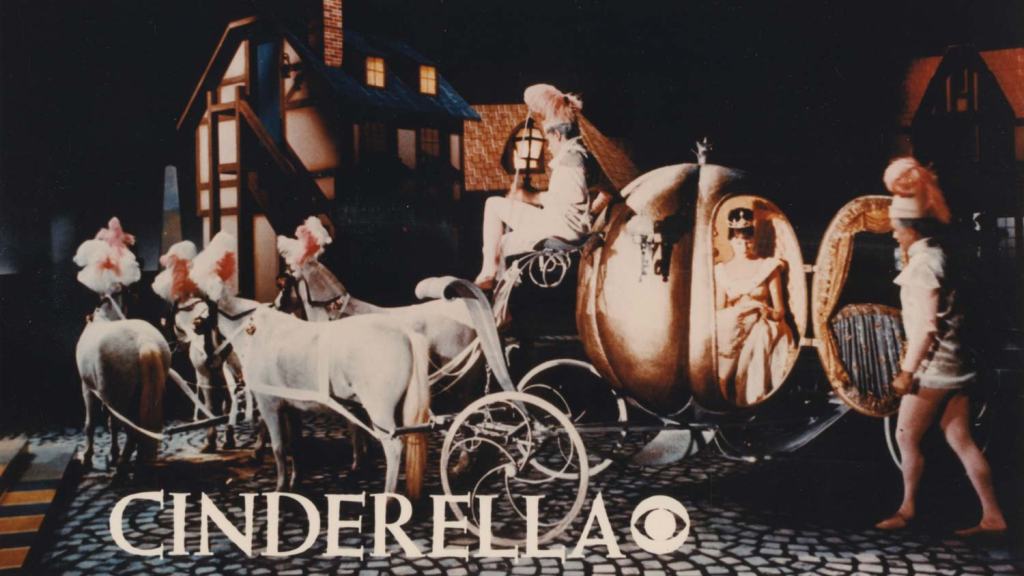
Although it was a gift for Molly, I selfishly chose the play based on my own childhood experiences. Once a year, long before tv viewing was ‘on demand,’ the CBS network aired the teleplay featuring Leslie Ann Warren as “Cinderella” and Stuart Damon of General Hospital fame as “The Prince.” The annual television event was so beloved by my generation, I believe watching Cinderella every year during our youth might have been as formative as the moon landing or the assassination of JFK. 

The songs imprinted on my memory so well way back then that I still can recall the lyrics verbatim. On the night of the play, I started singing on the half-hour ride to the theatre and I appreciated Molly’s tolerance of my performance since I am a notoriously horrid singer. It’s been five weeks since the show and I haven’t stopped singing yet. It was “A Lovely Night” and it feels more like “Ten Minutes Ago” than over a month ago. (See what I did there? I incorporated the songs into my essay. Clever, huh?)

A few days after our outing, good-natured Molly agreed to watch the Warren/Damon Cinderella via 2022 ‘on demand’ magic. We dissected the sets and considered variations between the two productions we had seen. Unlike The Parent Trap, she didn’t seem bothered by the primitive presentation, which even I have to admit seemed pared down and basic. I don’t remember it being so static. I still loved every minute. 

After seeing the play and rewatching the teleplay, I unintentionally dedicated the remainder of the summer to immersing myself in all things Cinderella. I downloaded the piano sheet music, which I practice every evening. I watched clips from the teleplay on YouTube while cooking dinner. Yes, I became a little obsessed but there was something pure and rejuvenating about reliving those special memories. As a bonus, by sharing those experiences with a grandchild, I bridged the time between my childhood and hers. I never imagined how gratifying that connection could be.

Summer is nearly over but I hope my Cinderella hangover will continue well into fall. In any case, I already know the next frontier in my quest to bridge generations: a viewing of The Trouble With Angels, the 1966 film about wayward girls in a Catholic boarding school. I’m not ready to give up on my girl Hayley and the chance for her body of work to be appreciated. I’ll have the popcorn at the ready, just in case.
Uncle Sam, Dad, and Me: A Taxing Relationship

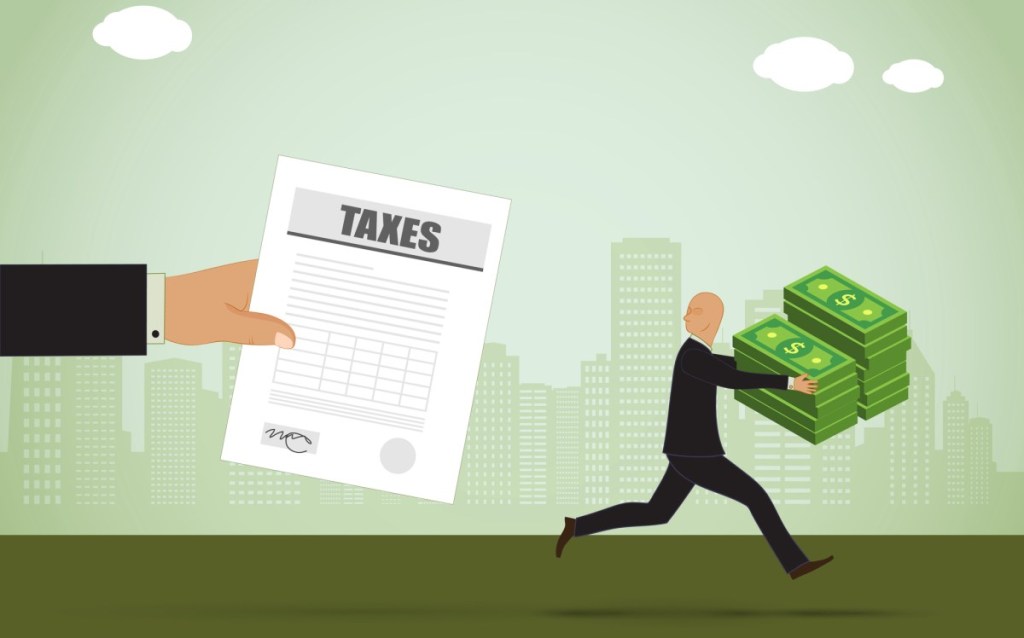
Tax time always reminds me of my father. When I was small, I watched as my father took on the task of “doing the taxes.” Every April 14th, he set himself up at the kitchen table with a pile of mishmashed documents, muttering swears under his breath as he scribbled, erased, and reworked the data.  Dad was the master of the loophole and fudging numbers, knowing exactly where to tweak a digit without fear of an audit. To his credit, he seldom got hauled in for an “accounting error.” Instead, he toyed with working for the Internal Revenue Service, going so far as to take the civil service test, pass it, interview, and ultimately decline the offer of employment. His work at the General Electric plant in Lynn, Massachusetts was far more lucrative than what the government paid, and since he worked the night shift, he could nap on the job. He knew he couldn’t snooze at his desk at the IRS, making his life as a blue-collared machinist preferable to a career dressed in a shirt and tie and sitting upright.

Dad’s professed acumen with a 1040 and its multiple schedules gave birth to a side gig. He did the taxes for most of the guys in “the shop,” my grandparents, and anyone who needed help navigating the convoluted forms. Again, he employed his skills–a little heavy on the charitable donations, a little less on the bank interest. It was the 60s, a simpler and less precise  time when the use of computers the size of an entire room had yet to manage the banking world. Paper, pen, adding machines, and old fashioned manual typewriters kept track of transactions. Dad easily snuck a few adjustments by the discerning eye of an auditor. He was clever, if not also a bit dishonest. I never questioned or doubted my father. To me, Dad’s shifty ways were normal.

Propping me on his knee, Dad showed me his calculations and how the numbers interacted to produce an amount of tax owed. I was probably only six-years-old the first time I flipped to the back of the IRS manual to find the chart, sliding my finger down the margin to my father’s income range, then moving to the right to the “Married Filing Jointly” column. Like magic, there was Dad’s tax liability. I remember giggling at this secret my father was letting me in on. For years to come, I sat at his side, learning to fill out the forms, curious about the process without ever knowing the life skill my father was teaching me. When we finished, he always gave me the extra, unused forms and I subjected more than a few of my dolls to my version of tax prep. Didn’t every kid do that?

This past Monday, I filed my taxes. It’s harder now to play the system, and being of a more honorable nature than Dad, I wouldn’t even try. Still, in the tradition of my father, I waited until the last minute to file and pay my bill. I heard my father’s voice clearly as I procrastinated:

 “Why the hell would you pay early if you owe them money? Keep the money in the bank until the very last minute and then write the check. Why give them use of your money when you could be making money on it yourself?”

Dad loved money: making it, saving it, investing it. He was shrewd and calculating. And maybe a little devious. 

In the 1990s, I assumed the responsibility for our family’s taxes–ours and my father’s. Dad sat beside me as Turbotax prompted me for the digits found in Box 1b and I typed the numbers on the computer keyboard as he read to me from his 1099’s–R, DIV, INT, OID. Dad watched in awe as the program whirred through the responses, giving us a real-time calculation at the top of the screen. I loved to hear him say, “Geeze, that’s amazing!” Dad loved technology but for him, this  bordered on miraculous.  In time, he just handed over his half-assed file of tax paperwork, leaving me to plow through his lousy recordkeeping system. Eventually, I just kept the books for him and me. As Dad passed the baton, he never doubted my abilities. He knew I was trained by the best, and now had a computer calculation to back me, in case I screwed up.

In a surprising shift, my father also had a slant on paying his due. I think about his words every year as I send off my small fortune in taxes owed to the IRS: 

“Never complain about paying your taxes. It means you have money to pay taxes on. Be grateful.”

And as much as it pains me to see my bank balance shrink every year, I know he was right. And for Dad’s tutelage and my good fortune, I am grateful.